Monday, March 16, 2015
Due Friday, March 27

Due Thursday, March 26

Type 300+ words about the Mad Max trilogy, discussing whatever topic you wish. You may--but you don't have to--select from these options:
1. How did the film-making evolve from one movie to the next?
2. Rank the films from most to least educational/intelligent.
3. Rank the films from most to least entertaining/amusing.
4. Rank the films from most to least realistic.
5. Rank the films from most to least ___________________.
Thursday, March 12, 2015
Due Wednesday, March 25

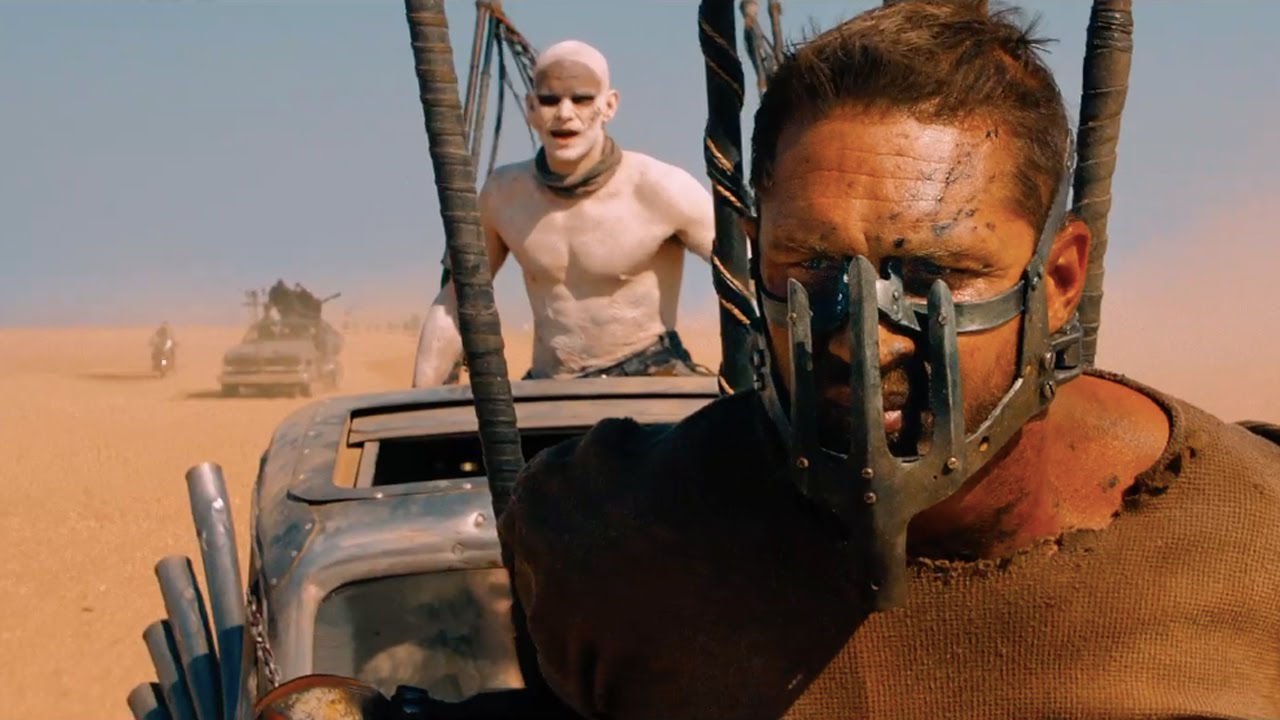
In what ways is Max like a savior figure? Refer to the whole trilogy. In this picture, Max stands in a pose similar to crucifixion. Mention any religion you wish, but you do not have to. Write 300+ words.
Wednesday, March 18

To what extent does apocalyptic fiction make us live better, with more integrity--and with more concern for the well-being of humanity and the Earth? Write 300+ words.
Tuesday, March 17

Type 300+ words.
What are the differences within that lead some people to do selfish deeds of savagery while others do unselfish deeds of integrity?
What savagery do we see in the Mad Max film trilogy?
What integrity do we see in this trilogy?
Monday, March 16

Do we have power struggles in politics?
Do we neglect our youth?
Are destined to destroy?
How are these questions related to the film?
Tuesday, March 10, 2015
March 10
Write about one term as it relates to the apocalyptic novel and films we are studying. Each table has a different term.
Northwest: Trust
Midwest: Decency
Southwest: Love
Northeast: Fear
Mideast: Hope
Southeast: Community
Write 200+ words about your single term, then showtime.
 |
| Tom Hardy as Max in Fury Road, out on May 15! |
Thursday, February 26, 2015
February 26

Tuesday, February 24, 2015
February 24

In what five ways is Max Rockatansky highly similar to the dad in The Road?
In what five ways is Max Rockatansky different from the dad in The Road?
Monday, February 23, 2015
February 23

Thursday, February 19, 2015
February 19
 |
| Actor Robert Duvall as Ely in the movie. |
1.) What's the wisest thing Ely says? Why is it wise?
2.) What's the weirdest thing Ely says? Why is it weird?
3.) What does McCarthy accomplish by including Ely in his plot?
Monday, February 9, 2015
February 9

Monday, February 2, 2015
February 3

February 2

What other apocalyptic stories (books, short narratives, films...) do you know? How are they similar to/different from The Road? Is the author/director trying to teach us the same lessons--or different lessons? You could use The Giver, WALL-E, and/or any other stories you know. This is a picture from the movie Book of Eli, which we will watch if a student acquires it (it's in our library). Write 300+ words today to compare and contrast.
Monday, January 26, 2015
January 27

1.) Type five awesome sentences from The Road (with page numbers). Why have you selected these five?
2.) Type five other sentences, this time of the puzzling/confusing nature (with page numbers). Why have you selected these five sentences as "puzzling"?
TYPE THE SENTENCES LIKE THIS: "He looked like someone trying to feed a vulture broken in the road" (163).
Thursday, January 22, 2015
January 22 to prepare for February 20

Click on this link to view what you'll do February 20 to prepare for life beyond BVHS. Listen to Mrs. Hartz with great focus.
Tuesday, January 20, 2015

Friday, January 16, 2015
Friday, January 16
What are your three favorite statements from the prezi or the viewing notes? Why?
What are your three least favorite statements from the prezi or the viewing notes? Why?
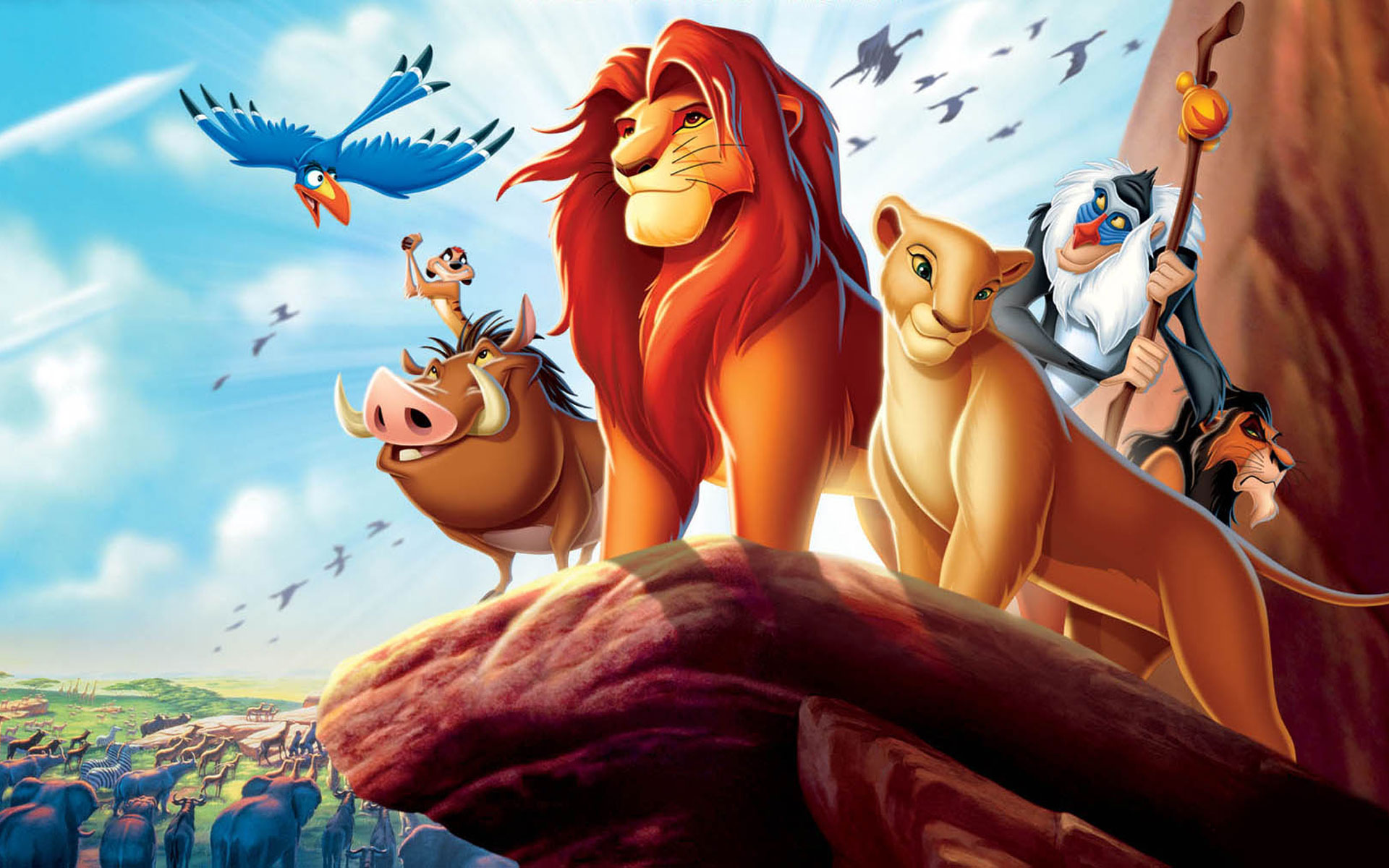
Are there hyenas and lions in this school? Explain. 300+ words, just like all blog tasks.
Tuesday, January 13, 2015
Tuesday, January 13

Type about two claims/observations about The Lion King (involving literary criticism and theoretical approaches and lenses) I've expressed to you, one you agree with and another you disagree with. Find these claims/observations on the prezi, viewing notes, or from what I've said in class.
Type 300+ words.
Tuesday, January 6, 2015
Tuesday, January 6
 1) What was the best part of first semester?
2) What was the worst part of first semester?
3) Have you seen The Lion King? What do you remember about it?
4) Type one sentence from The Road and explain why it is a cool sentence.
5) What is best part about Lego technical writing?
6) What is the worst part about Lego technical writing?
Type 300+ total words to fulfill these tasks.
Tuesday, April 8, 2014
Technical Writing Blog Task 4--due April 23
Write 300+ words about the merits of technical writing practice. When/where/how will you use skills you develop when rehearsing technical writing? Attach some sort of information found on SDMyLife to earn credit.


Monday, April 7, 2014
Technical Writing Blog Task 3--due April 16
1.) In 300+ words, reflect on your writing improvement. What specifically have you worked on to communicate most effectively with a reader who is obviously outside your head and doesn't "know what you mean" automatically?

To explain her ideas, Lois Lowry had to think long and hard, indeed.

Technical Writing Blog Task 2--due April 10

2.) Explain why 7 of these words work far better than poorer options. To earn full credit on any blog task, you must write 300+ words.

Technical Writing Blog Task 1--due April 8

1.) Locate a terrific sample of technical writing. Paste the link here.
2.) Summarize the content, telling the rest of us what this sample explains.
3.) Explain why the technical writing sample you found is exceptional. You should type 300+ words for this task.
Images from actx.edu and erikjohanssonphoto.com.

Friday, December 21, 2012
Thoughts Thursday--due February 28
KEY IDEAS AND DETAILS
RL.11-12.1 Cite strong and thorough textual evidence to support analysis of what the text says explicitly as well as inference drawn from the text, including determining where the text leaves matters uncertain.
RL.11-12.2 Determine two or more themes or central ideas of a text and analyze their development over the course of the text, including how they interact and build on one another to produce a complex account; provide an objective summary of the text.
RL.11-12.3 Analyze the impact of the author's choices regarding how to develop and relate elements of a story or drama (e.g., where a story is set, how the action is ordered, how the characters are introduced and developed).
CRAFT AND STRUCTURE
RL.11-12.4 Determine the meaning of words and phrases as they are used in the text, including figurative and connotative meanings; analyze the impact of specific word choices on meaning and tone, including words with multiple meanings or language that is particularly fresh, engaging, or beautiful. (Include Shakespeare as well as other authors.)
RL.11-12.5 Analyze how an author's choices concerning how to structure specific parts of a text (e.g., the choice of where to begin or end a story, the choice to provide a comedic or tragic resolution) contribute to its overall structure and meaning as well as its aesthetic impact.
RL.11-12.6 Analyze a case in which grasping point of view requires distinguishing what is directly stated in a text from what is really meant (e.g., satire, sarcasm, irony, or understatement).
INTEGRATION OF KNOWLEDGE AND IDEAS
RL.11-12.7 Analyze multiple interpretations of a story, drama, or poem (e.g., recorded or live production of a play or recorded novel or poetry), evaluating how each version interprets the source text. (Include at least one play by Shakespeare and one play by an American dramatist.)
RL.11-12.9 Demonstrate knowledge of the eighteenth-, nineteenth- and early-twentieth-century foundational works of American literature, including how two or more texts from the same period treat similar themes or topics.
RANGE OF READING AND LEVEL OF TEXT COMPLEXITY
RL.11-12.10 By the end of grade 12, read and comprehend literature, including stories, dramas, and poems, at the high end of the grades 12-CCR text complexity band independently and proficiently.
Thoughts Thursday--due January 24

Agree. Disagree. Expand. Seek. Wonder. Ask. Muse. Doubt. Affirm. Connect. Confirm. Share. Research. React. Respond. Analyze. Assess. Align. Judge. Realize. Think. Discover. Explore. Extrapolate. Ponder.
Thoughts Thursday--due January 10


Agree. Disagree. Expand. Seek. Wonder. Ask. Muse. Doubt. Affirm. Connect. Confirm. Share. Research. React. Respond. Analyze. Assess. Align. Judge. Realize. Think. Discover. Explore. Extrapolate. Ponder.
Friday, March 30, 2012
Where are the best, most imagistic sections?--due Tuesday

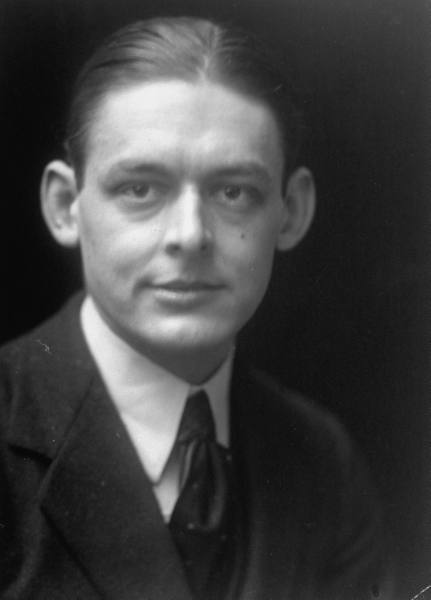

Type 3 separate sections--exactly as they are--of poems and explain why they are extremely effective at creating images in your mind. What details help you imagine? What combinations of words work particularly well?
Which poem "speaks" the most to you?--due Monday


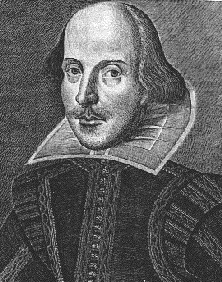
To which of these famous poems do you most connect? Why? Type 200+ words here, explaining your connection to this poem, which you must mention by name with its author.
Subscribe to:
Posts (Atom)